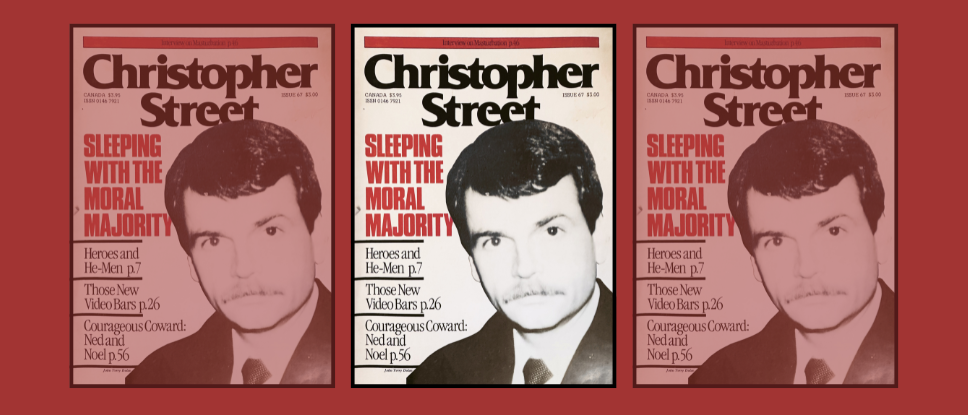



In this episode of Off Christopher Street, we talk about the rise of so-called "gay macho" in the 1970s, which cultural commentators both inside and outside the gay world connected to the new prominence of the clone, the leather bar, and a cultural fascination with BDSM. We take a look at the March 1978 issue of Christopher Street, which bore the cover line: “The New Masculinity of Gay Men: Where Have all the Sissies Gone?”
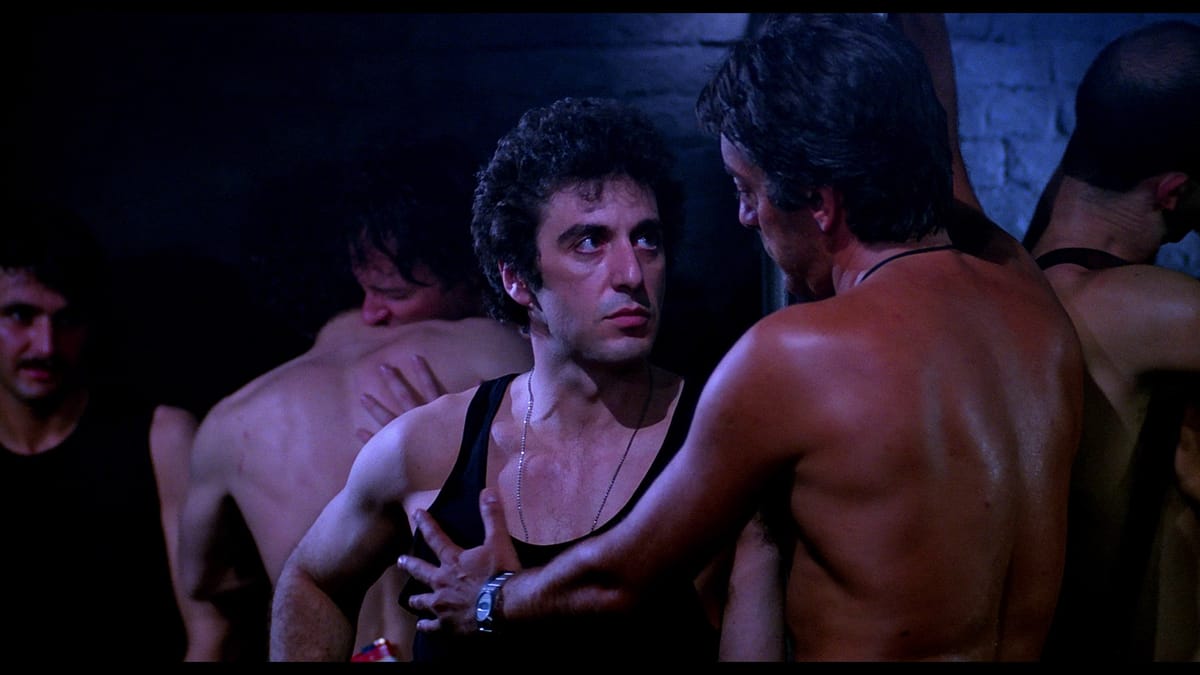
Reporting from The Anvil, a New York leather bar that would soon serve as a filming location for William Friedkin’s Cruising (1980), the academic Seymour Kleinberg was not happy about this masculine turn in gay culture, which he saw as a betrayal of the political radicalism of sixties androgyny and gay men’s alliance with feminists in the women’s movement.
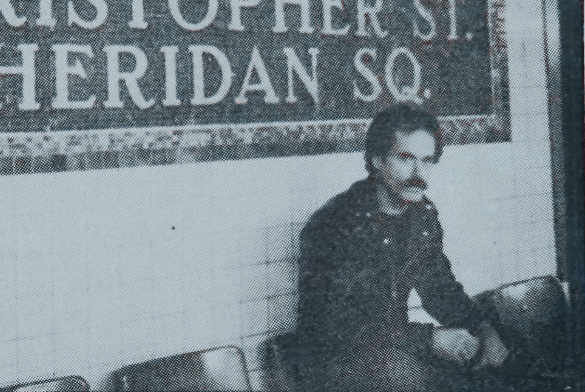
 Seymour Kleinberg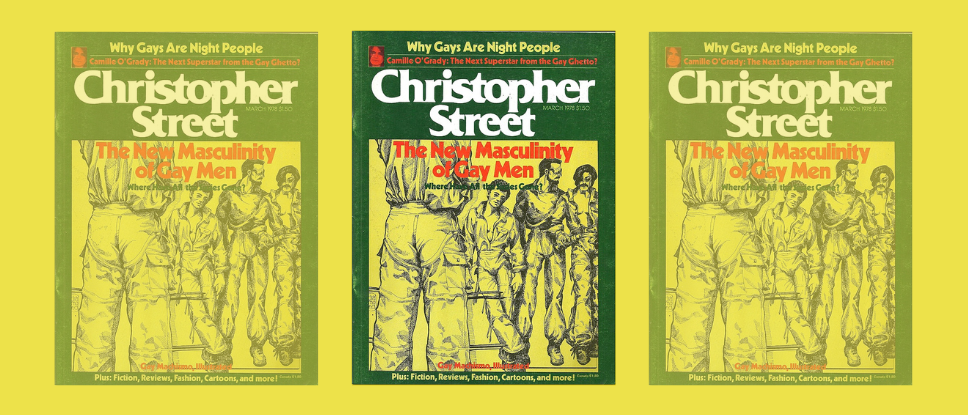
We discuss different gay stances in relation to feminism, and the idea, still with us today, that gender-bending is inherently radical—or that being more effeminate, and therefore a more abject political subject, confers some kind of ethical authority. We reflect on the long tradition in the gay world of complaining that other gays are being gay the wrong way. And we speculate about the origins of our erotic fascination with masculinity and the importance of being able to revel in what we find hot without overthinking it.
Plus: On Substack, Blake writes up some fascinating context on the translation of Kleinberg's essay in the Brazilian gay newspaper Lampiao da Esquina, and the debate that ensued:
 Blake Smith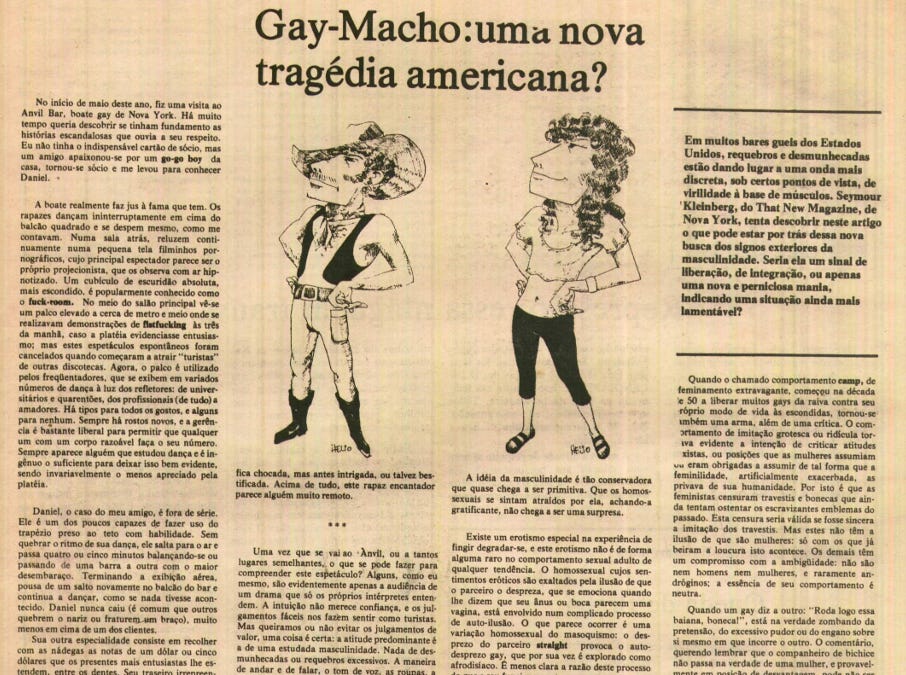
Catch up on recent episodes of Off Christopher Street
To get new episodes of Off Christopher Street in your regular podcast player, subscribe on Substack, Spotify, Apple Podcasts, or YouTube.
 David Sessions
New Christopher Street articles online
 Andrew Holleran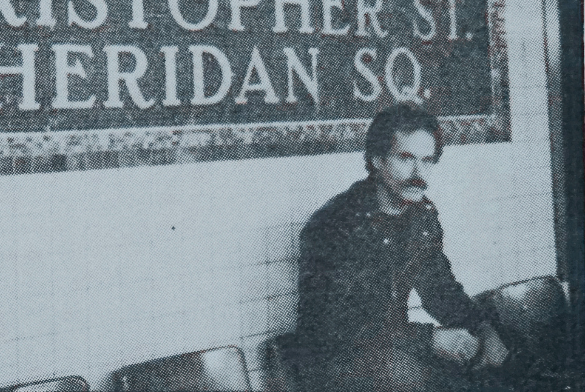
 Perry Deane Young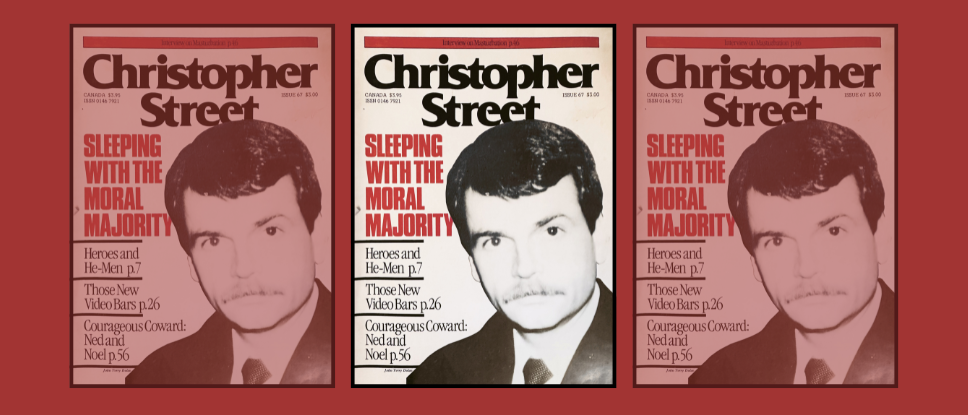
 Charles Ortleb